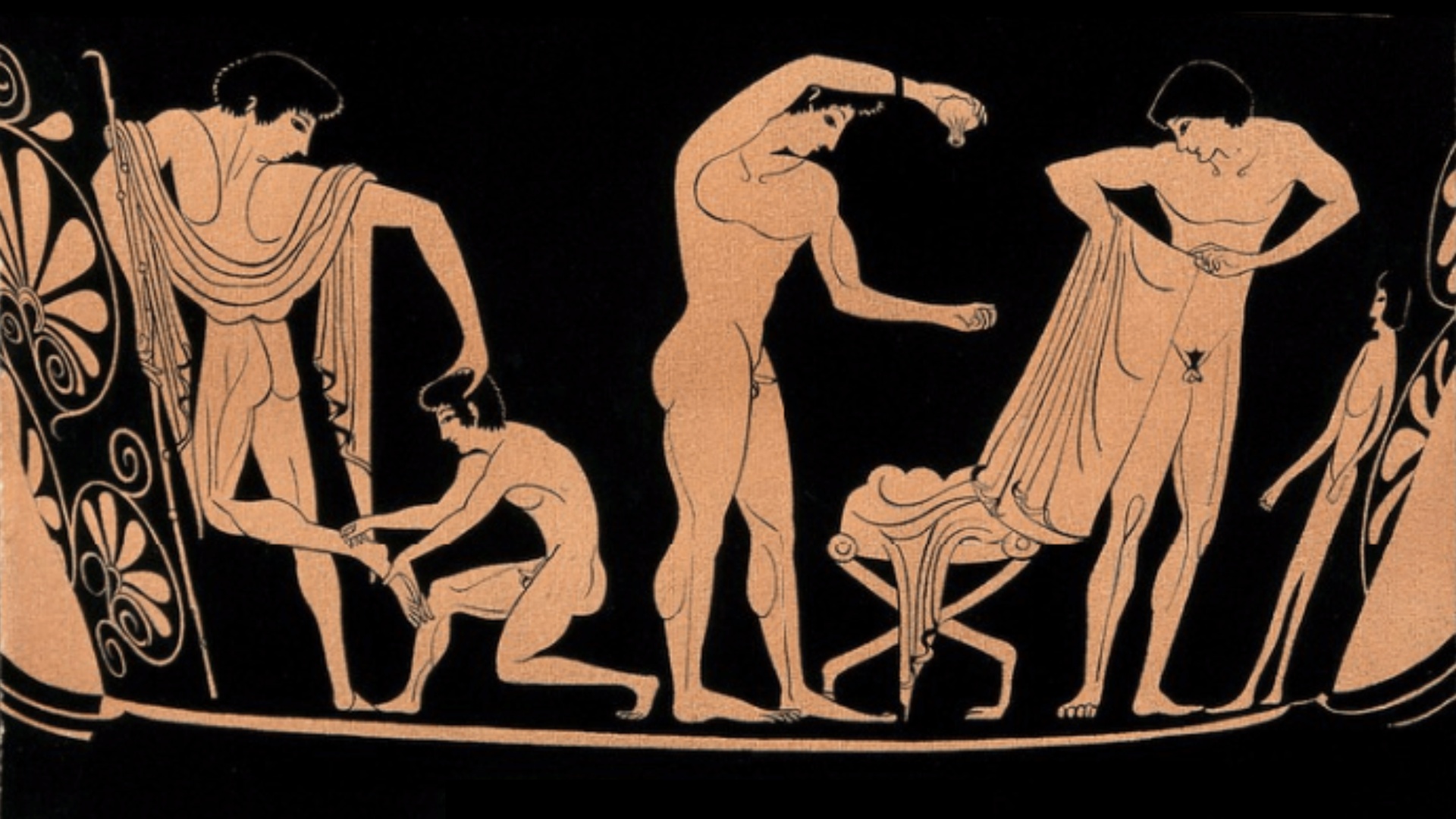
The Greeks rewarded champions with olive oil. Early research on the gut microbiome points to why phenolic content is the part worth measuring.
The olive oil shot is everywhere, and so is the advice to choose an oil "rich in polyphenols." But how do you know? Three questions belong behind that phrase: what's in it, is it lab verified fresh, and protected how?
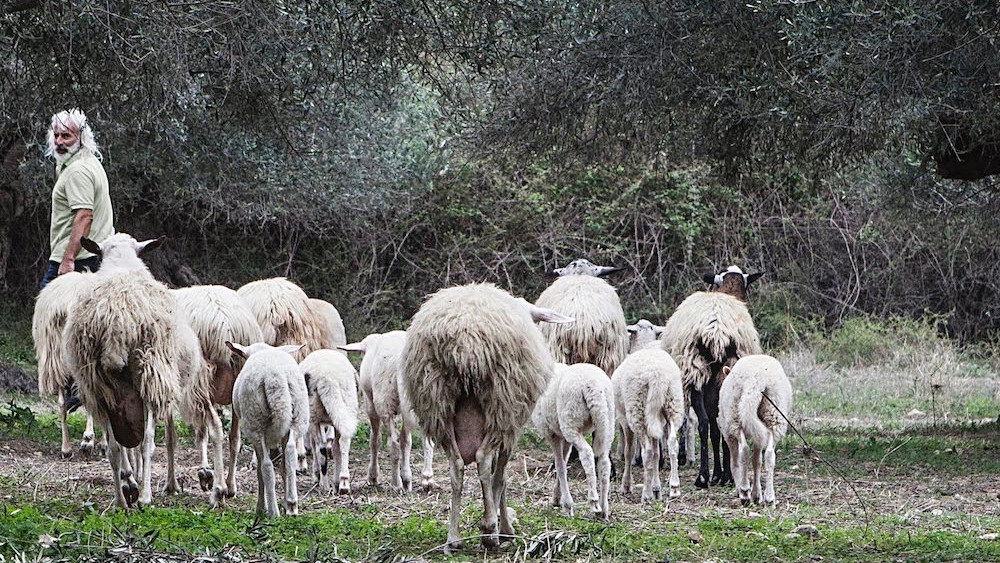
Understanding this underground world helps explain why the future of olive oil quality may depend on returning to principles that predate industrial agriculture by millennia.
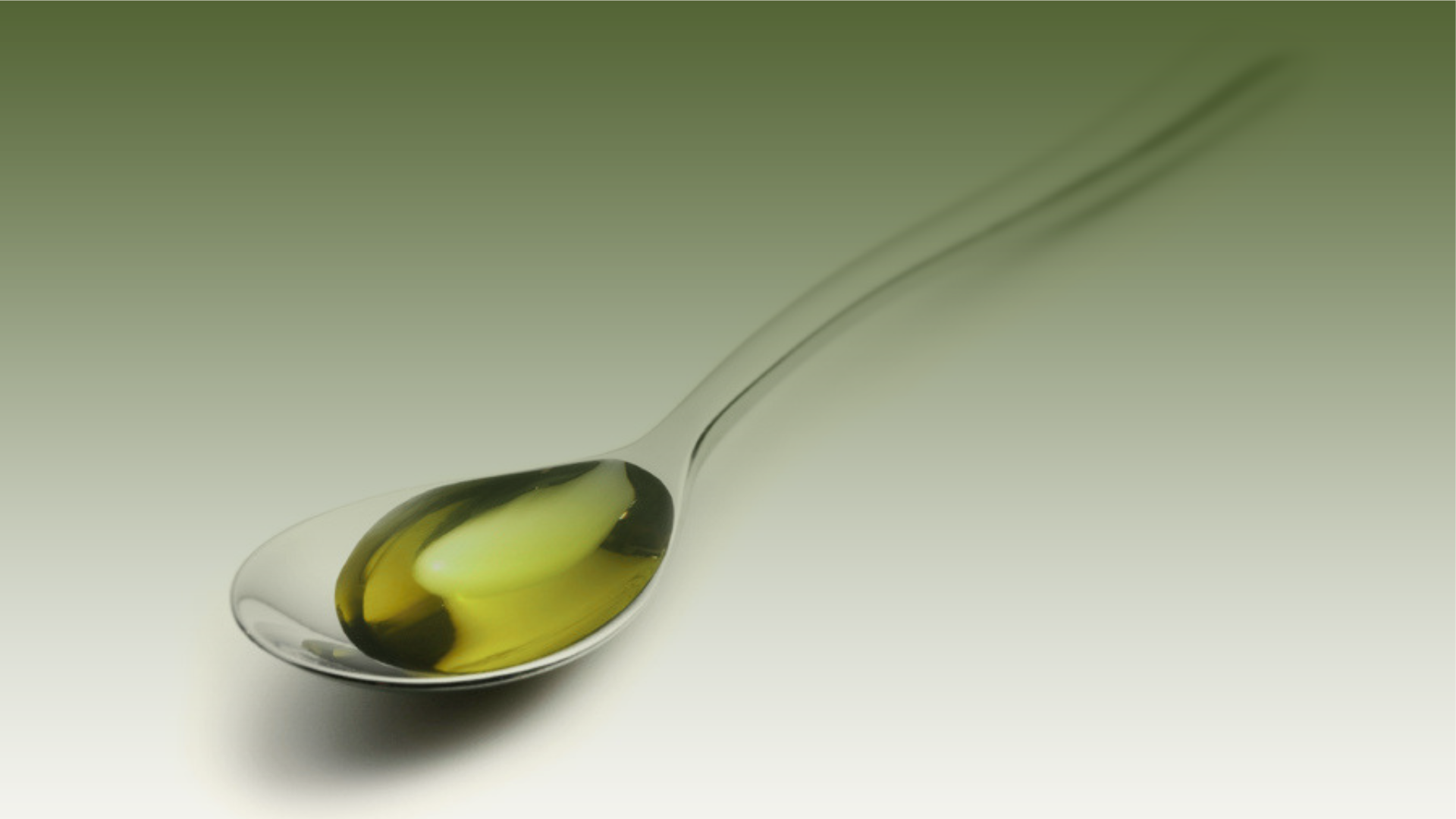
Most olive oil is valued for taste. High phenolic olive oil is valued for something else entirely: measurable health benefits. That distinction matters. Certification protects what matters.

A reader's question about a doctor's claim regarding health benefits of olive oil begs the discipline of separating hypothesis from fact.
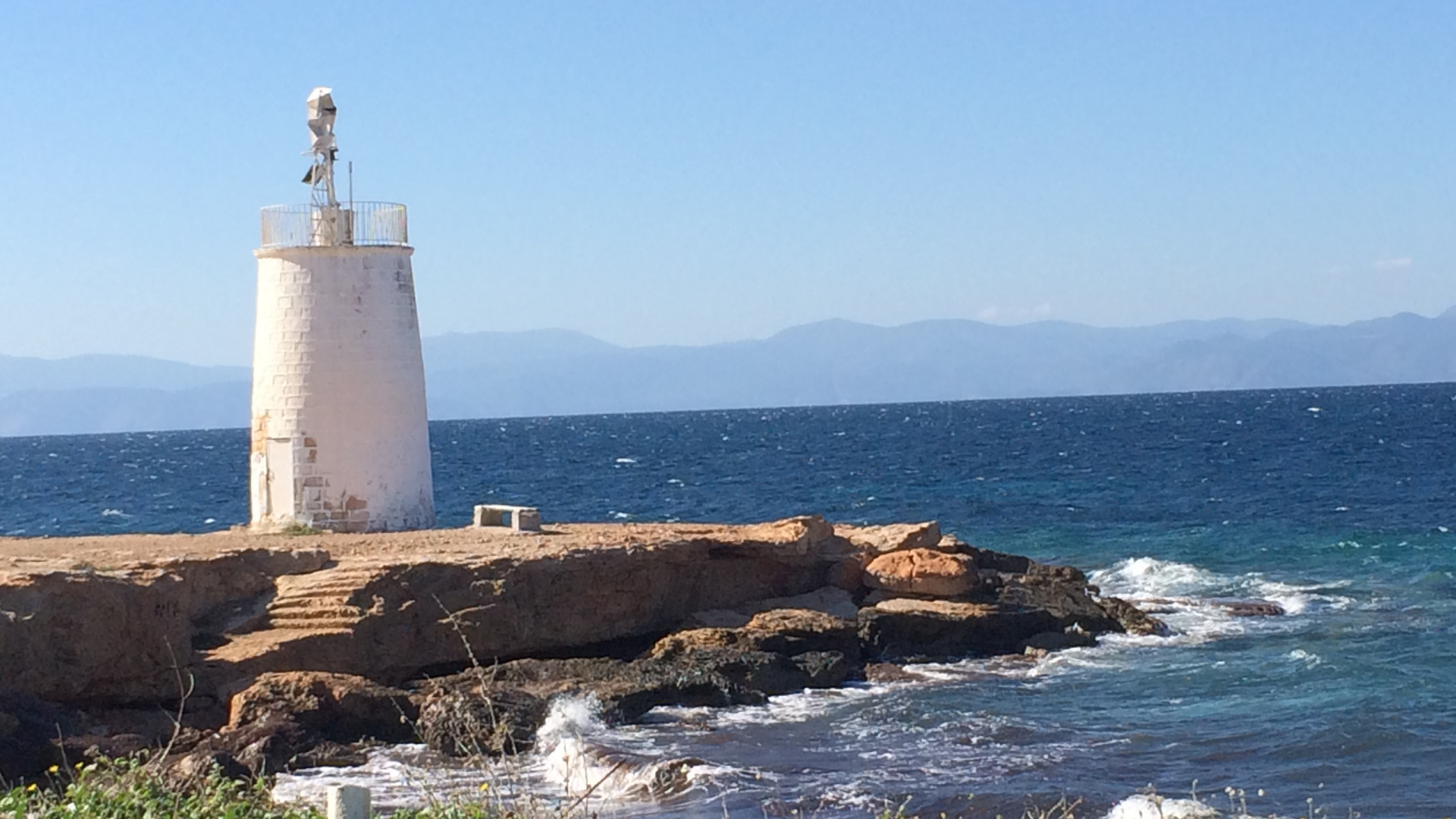
A lighthouse has one job — refuse to let the light go dark — and it does that whether or not anyone's watching. That's Aristoleo Certification is. A light.

The Terra Centuria brand is a standout in the boutique olive oil world, defined by its bridge between ancient Roman tradition and cutting-edge molecular science.

Hippocrates called early harvest olive oil medicinal. Dioscorides listed it as a therapeutic agent. In 2005, a lab at the Monell Chemical Senses Center confirmed what both men already knew. This is the unbroken line from ancient physis to EU Regulation 432/2012 — and why certification is not a marketing exercise but a scientific obligation.

High phenolic olive oil producers are entering a more defined and competitive phase as demand for verified health benefits and quality standards continues to grow.


